I’m a product professional with 18 years of experience scaling digital products from startups to global enterprises. I align product, design, and engineering to turn complex problems into actionable, scalable solutions.
FoundationsI started as a Designer in R&D, delivering complex projects for Samsung, Nokia, and HP. This experience built my foundation in research, UI coding, and systems thinking to effectively bridge design and engineering.
Products & LeadershipTransitioning from projects to product, I delivered a Google-featured mobile app at Michelin before expanding into product leadership (PO, PM). Led operations across logistics, government, and fintech, scaling teams to 60+ professionals across 7 squads and impacting 60M+ users.
EntrepreneurshipCo-founded a B2B contracting and payments marketplace for IT freelancers, backed by Endeavor and Microsoft. Building it sharpened my ability to navigate funding, market shifts, and uncertainty from a product and business perspective.
NowMy focus now is helping companies turn product strategy into shipped, useful experiences, connecting discovery, design, engineering, and AI to accelerate better decisions and deliveries.
In 2013 at Google São Paulo with Jean Hansen, our app was selected and we received exclusive mentorship.Facilitating an AI for Leaders workshop in 2025.
Facilitated a 5-day sprint for an art marketplace, simplifying pricing and publishing into an aligned prototype.
Roles
Product Design, Design Sprint
Team
Founder, Product Designer
PROBLEM
Bloop was an art marketplace concept designed to make it easier for artists to publish and sell their work. The central risk was not discovery. It was confidence: pricing and publishing felt complex before the product had even launched.
In a five-day Design Sprint, I mapped the core journey, simplified the hardest moments, and helped shape the brand identity. The prototype focused on the biggest sources of hesitation, especially pricing and publishing, and gave stakeholders enough confidence to move forward.
SOLUTION
RESULTS
5 daysPrototype turnaround
100%Stakeholder alignment
"Stakeholders aligned quickly around the sprint outcome, and the prototype gave the team confidence to move forward."
Case Study · Conquer Business School
Pivoting to Digital
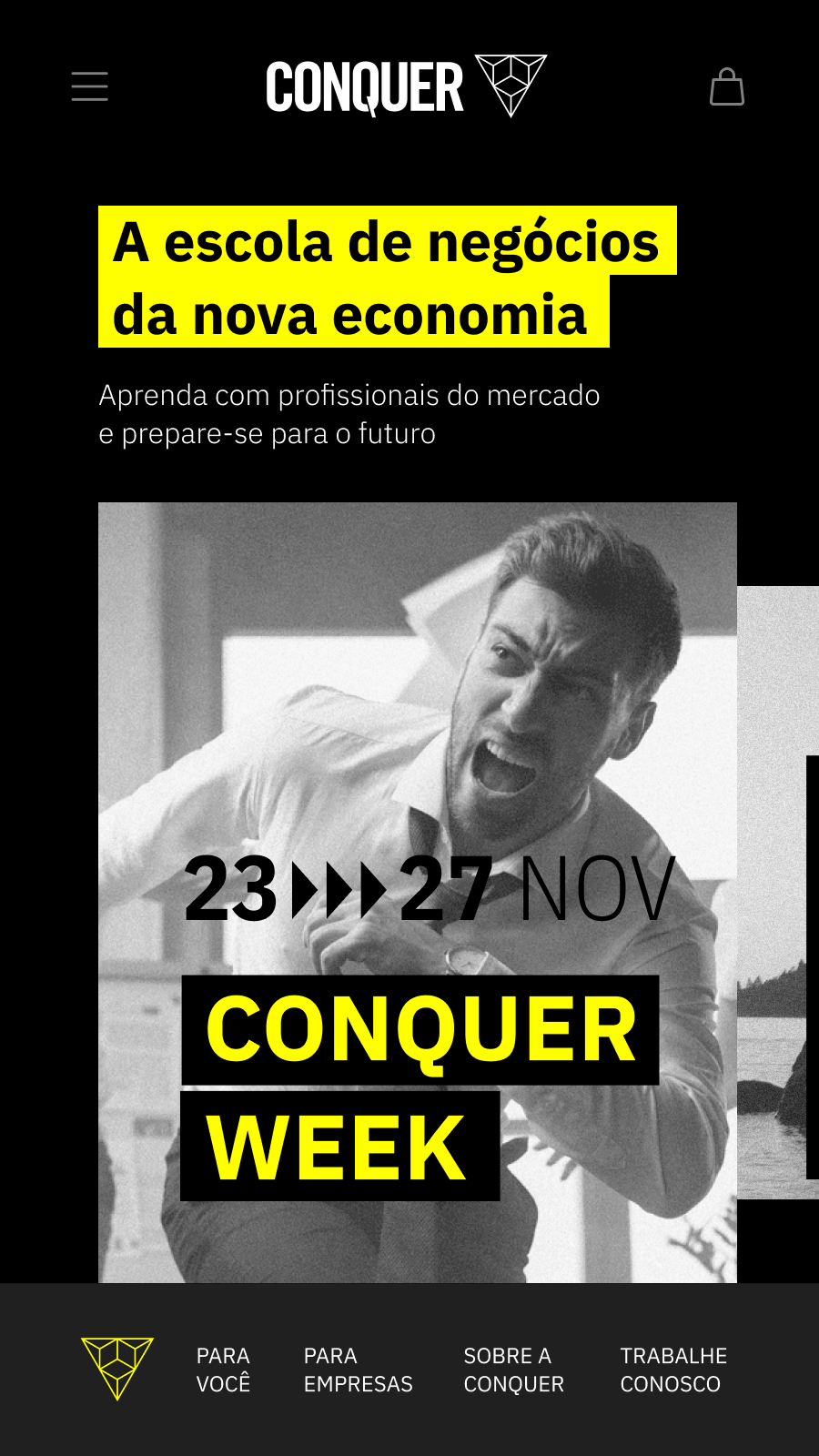
Redesigned the e-commerce and platform that enabled Conquer to pivot from in-person to digital during the pandemic, scaling to 2M+ students and leading to a Wiser Group acquisition.
When the pandemic forced Conquer Business School to move online almost overnight, the business needed more than a quick migration. It needed a digital experience that could support recorded courses, reflect the brand, and scale fast.
I redesigned the websites and product ecosystem for that new reality, helping Conquer serve more than 2 million new students and supporting the pivot that later led to acquisition by Wiser Group.
SOLUTION
RESULTS
100+Screens designed
2M+New students
Case Study · Materialize
Eliminating Rage Clicks in Booking
Removed a false wallet-choice step for 95% of users, eliminating rage clicks and lifting bookings by 14%.
Roles
Behavior Analytics, UX Research
Team
Customer Success Manager
PROBLEM
Materialize was a B2B marketplace for booking remote tech talent. By 2025, it had passed half a million bookings, so even small points of friction in the booking flow mattered.
Hotjar revealed a critical drop-off at the final step: users were "rage-clicking" a non-interactive element and abandoning bookings.
The issue was a false choice. 95% of users had only one wallet, yet everyone was forced to "select" it. The interface created a decision where no decision existed.
I removed the unnecessary step by defaulting users with a single wallet and showing the picker only to the fewer than 5% who actually needed it.
SOLUTION
Simplifying the final step based on observed behavior.
RESULTS
0Rage clicks
+14%Bookings
"The updated flow removed friction at the final step and delivered a measurable lift in bookings."
Case Study · Unpress
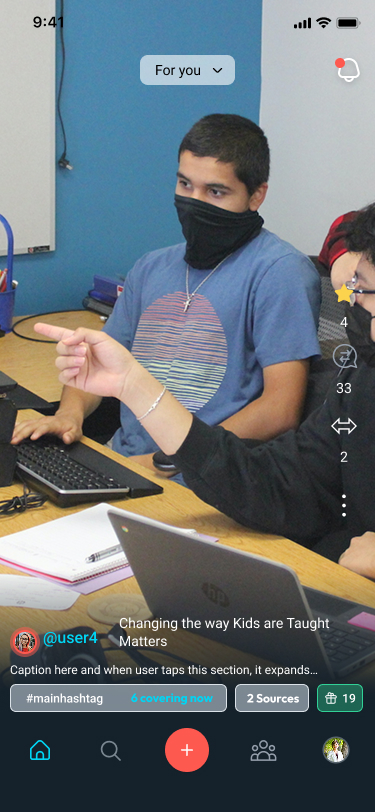
Consistent video experience
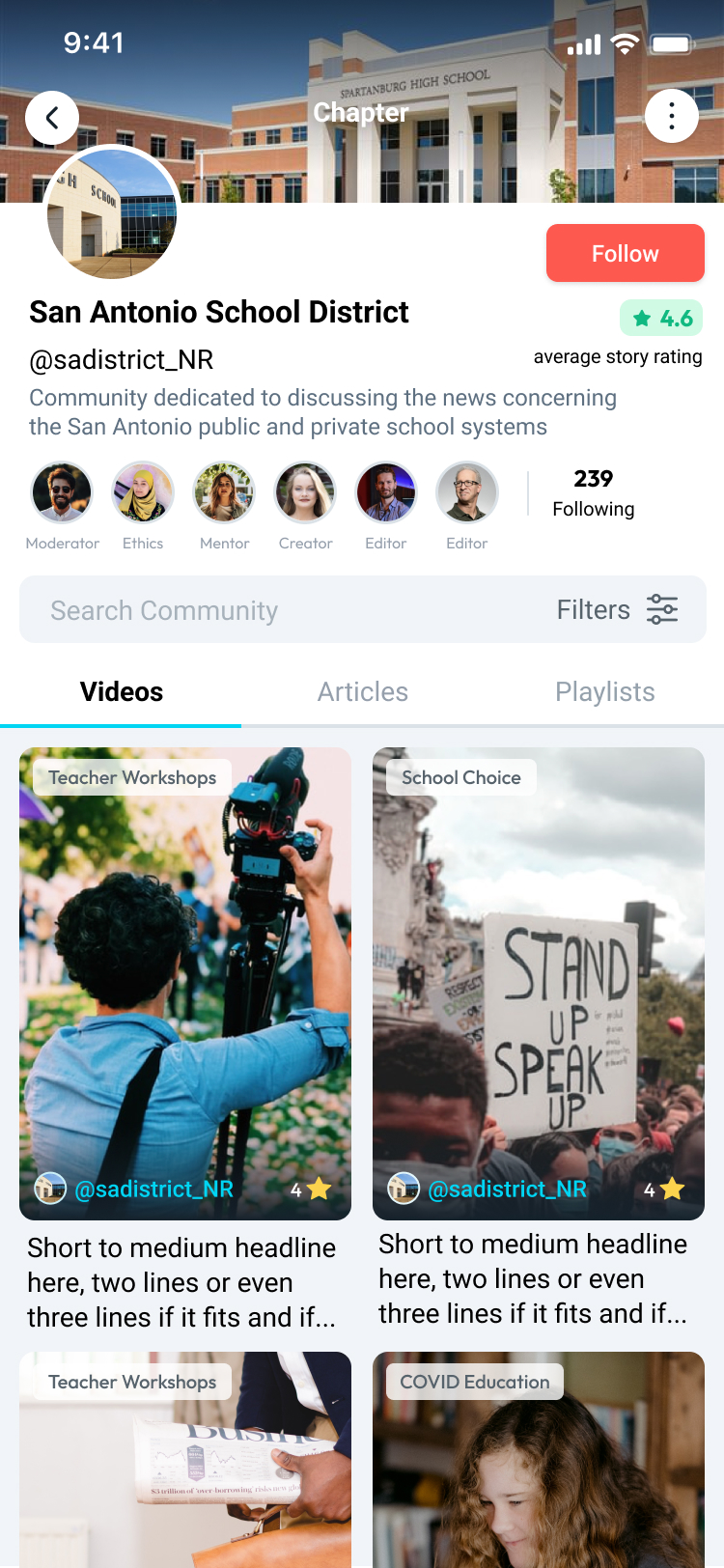
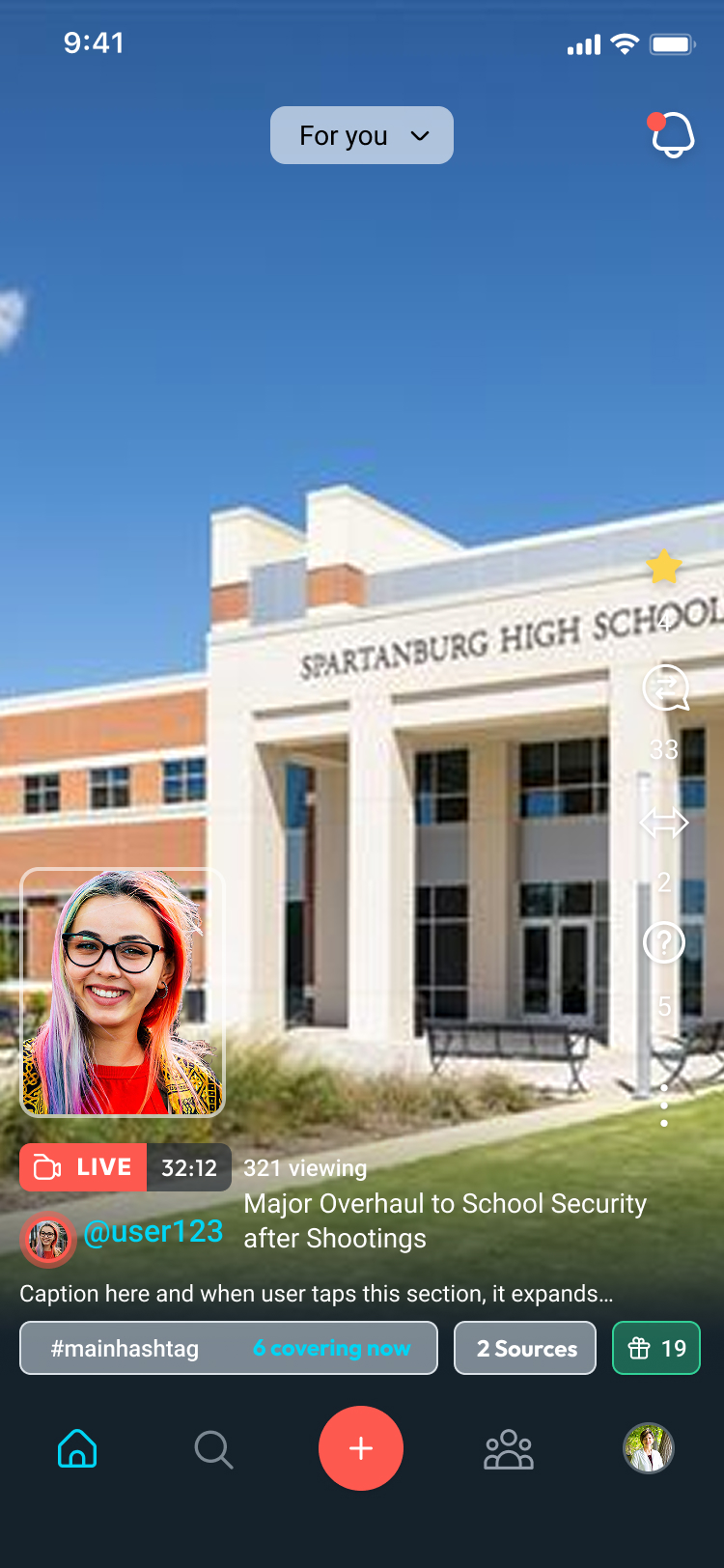
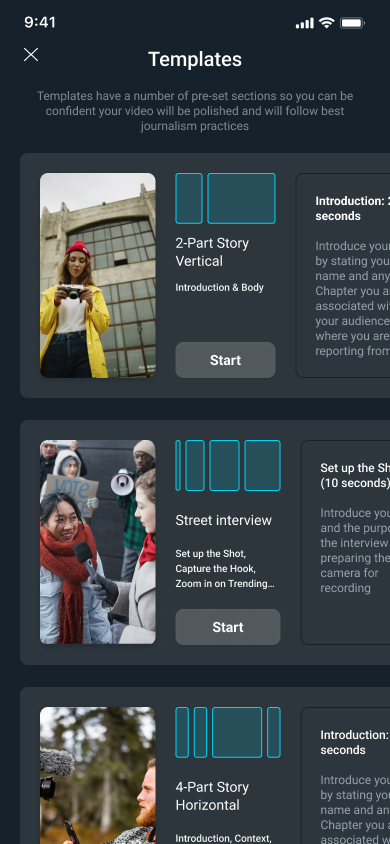
Redesigned and standardized UI for a consistent video experience. The new Design System doubled frontend delivery speed.
Roles
Design Systems, Design Leadership
Team
2 Designers, CTO, CEO, PM, Tech Lead, 7 Engineers
PROBLEM
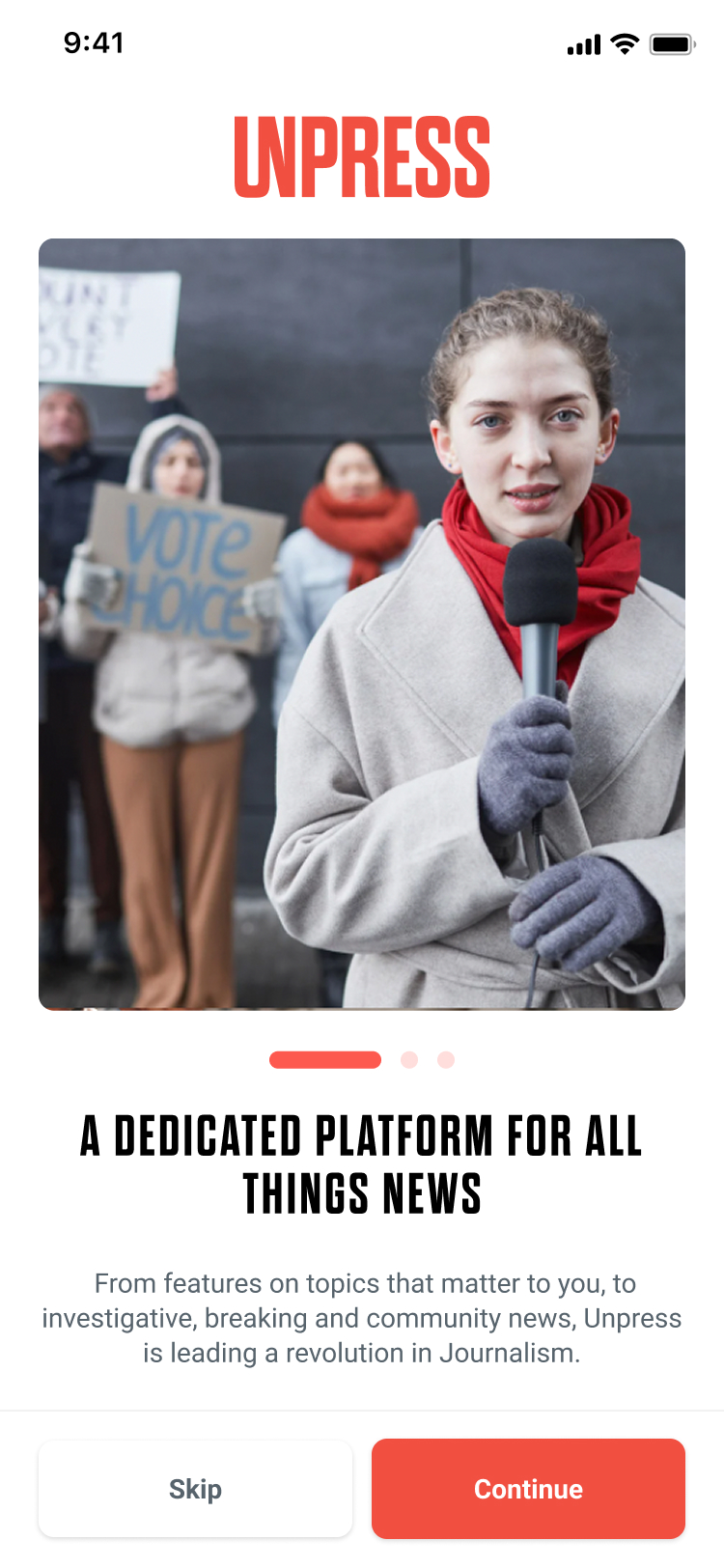
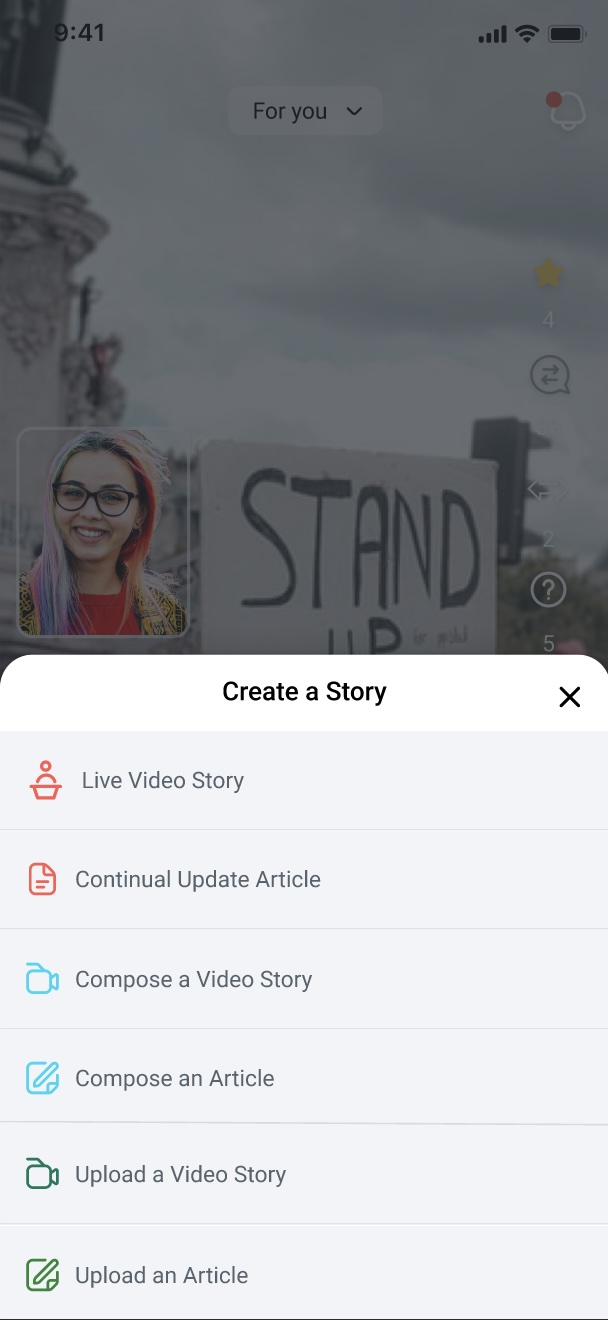
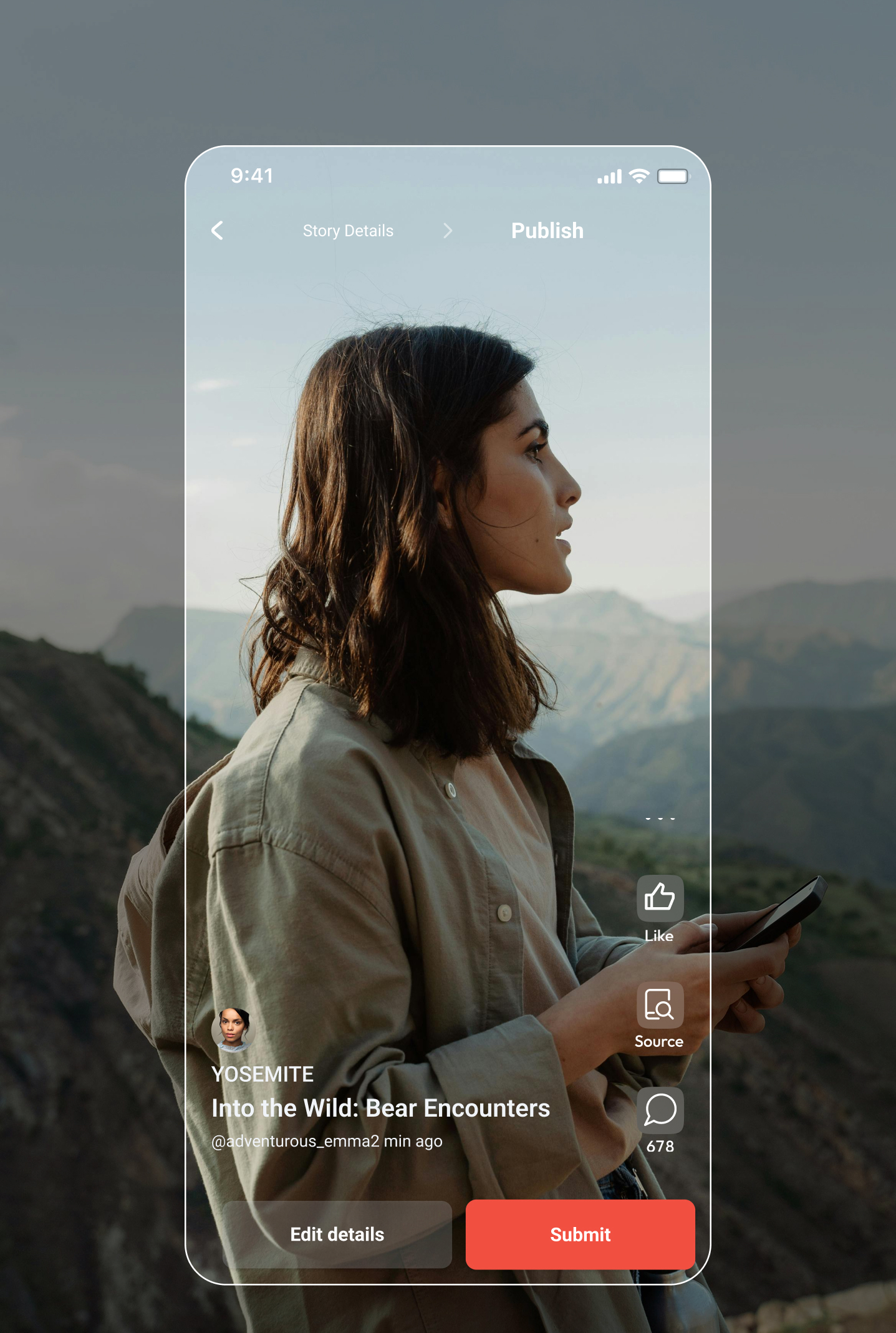
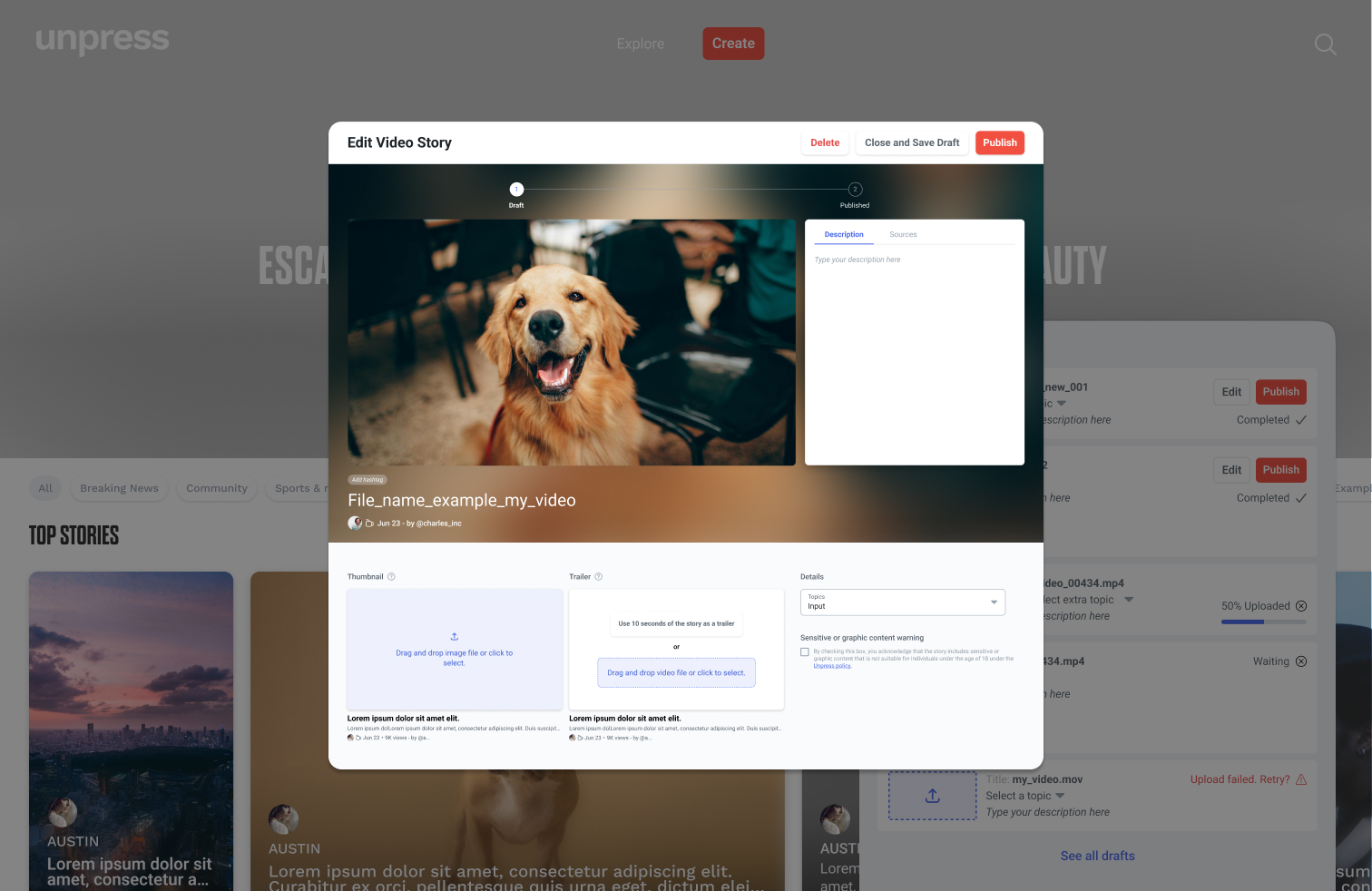
Unpress is an Austin-based journalism platform led by media veterans from CNN, NBC, and Gawker Media. The product needed to support both vertical and horizontal video across app and web without splitting the browsing experience into separate products.
The redesign had to reduce visual clutter, support multiple formats, improve browsing, and create a scalable foundation for future growth.
The key design challenges were:
TO DO
Reduce anti-patterns and establish a design system
tech debtDesign Bug
Support horizontal and portrait videos
new features
Enable the web platform on desktop and mobile
new features
Make news easier to browse
user feedback
Reduce visual clutter when watching stories
user feedback
Fix unclear visual communication
user feedback
SOLUTION
Design System
Figma files
flowchart TB
foundations["fa:fa-layer-group Core Library: Colors, Types, Styles, Icons, States, Brand"]
web["fa:fa-globe Web Components Library"]
app["fa:fa-mobile-screen-button App Components Library"]
web_mobile["fa:fa-mobile-screen Web Mobile: Portrait, Landscape"]
web_desktop["fa:fa-desktop Web Desktop: Responsive, monitor sizes..."]
app_ios["fab:fa-apple App iOS: Ipad, iPhone, Portrait, Landscape, ..."]
app_android["fab:fa-android App Android: Samsung, Motorola, Tablet, Portrait, Landscape..."]
testing_ideas["fa:fa-flask LAB: User testing, navigable prototype, ideas, presentations..."]
foundations --> web
foundations --> app
web --> web_mobile
web --> web_desktop
app --> app_ios
app --> app_android
web --> testing_ideas
app --> testing_ideas
classDef layer fill:#ffffff,stroke:#7b7770,color:#1f1e1a,stroke-width:1px;
class foundations,web,app,web_mobile,web_desktop,app_ios,app_android,testing_ideas layer;
I reorganized the Figma system into production-ready libraries plus a separate LAB for exploration. That structure made daily design work faster, kept components consistent across surfaces, and doubled frontend delivery speed once it was fully adopted.
Dynamic Layout
Most video platforms still treat vertical and horizontal browsing as separate experiences. I designed a dynamic layout that accommodates both in one system. Try the playground below: switch devices, shuffle scenarios, move stories around, and see where it breaks.
Grid + Carousel PlaygroundShuffle scenarios, switch devices, and test how 16:9 and 9:16 videos behave across layouts.
Carousel
Grid
Carousel
Grid
From there, I reduced the browsing experience to two scalable primitives, Grid and Carousel, that worked across app, mobile web, and desktop web.
News Card Anatomy
Each card follows the core questions of journalism:
what,
where,
who and
when.
That makes stories faster to scan.
RESULTS
2×Frontend delivery speed after the design system
1Unified interface for vertical and horizontal video
"I had the pleasure of working with Maycon on the UI/UX for UNPRESS, and I highly recommend him. He has a sharp eye for clean, modern visual design and a strong instinct for user-centered layout and flow. His ability to take feedback—not just accept it, but actively improve on it with thoughtful iteration—sets him apart. He’s responsive, punctual, and always attentive to the smallest details, yet he keeps the bigger picture in focus. What stood out most is how quickly he understood our goals and translated them into an interface that was not only aesthetically pleasing but intuitive, purposeful, and flexible for growth. Whether wireframing new features, refining user journeys, or polishing pixel-perfect screens, Maycon consistently demonstrated collaboration and reliability—a true asset to any product team."
"I had the pleasure of working with Maycon for nearly two years at Unpress, and he consistently demonstrated a high level of professionalism, critical thinking, and focus on results. He’s an excellent designer with a strong product mindset and made valuable contributions to product management activities, including organizing sprints, epics, and tasks, which greatly improved team alignment and execution. Beyond his technical and product skills, Maycon is a clear communicator, highly collaborative, and a genuinely great person to work with. Any team would be fortunate to have him, and I’m confident they’ll have a very positive experience working with him."
Replacing the default CSAT question with a more human version generated 5× more feedback. With AI trained on real responses, open-ended feedback became metrics for earlier intervention, supporting a 16% relative churn reduction.
Roles
AI, UX Research, Service Design
Team
Backend Developer, Customer Success Manager (CSM)
PROBLEM
I co-founded Materialize in 2019 to build an "Airbnb for remote tech talent." Selected by Endeavor Scale-Up and Microsoft for Startups, the B2B marketplace let companies buy hour credits and book software engineers and other specialists online.
By 2023, we had passed half a million bookings, but only 8% of buyers responded to the post-session CSAT survey. We had scale, but not enough signal to understand session quality or intervene early.
CSAT response rates were too low. Only 8% of all buyers who booked responded to the CSAT survey.
To understand where feedback broke down, I mapped the end-to-end journey in a service blueprint.
09:41
MON 14
On a scale of 0 to 5, how satisfied were you with your session?
10:09
FRI 18
On a scale of 0 to 5, how satisfied were you with your session?
14:30
WED 16
On a scale of 0 to 5, how satisfied were you with your session?
Seller
Stays online and delivers work during the session
Buyer
Receives CSAT survey: "On a scale of 0 to 5, how satisfied were you?"
Friction
Clicks or taps Ignore or Answer. Most ignore, while some answer through the external form.
Buyer
Receives targeted outreach for support or account growth
Line of Visibility
Frontstage (Visible to User)
Platform
Sends booking confirmation & reminders
Platform
Tracks session duration & logs hours
Platform
Survey appears on user’s device
Friction
Redirects to external form (Microsoft Forms)
CSM
Engages at-risk accounts & identifies upsell
Line of Internal Interaction
Backstage (Internal Processes)
Platform
Matches buyer ↔ seller & schedules
CSM
Monitors active accounts
Platform
Automation fires CSAT survey across channels
Gap
Score stored, with little qualitative data
CSM
Manual triage for churn mitigation & expansion
Metric (Funnel conversion)
100%Confirmed bookings
92%Seller show-up
78%Buyer viewed CSAT
8%Response CSATOnly 30% leave comments
6.9%CSM InterventionInsufficient data to act
Average time
24-48hBefore meeting
1hMeeting
+30mPost-call
<24hTriage
24-48hFollow-up
Initially, we suspected the delivery channels were the bottleneck. We tested different combinations of email, in-app, e-Mail, WhatsApp message, SMS, varying sequence, frequency, and timing. Yet response rates remained consistently low across all experiments. This process of elimination shifted our focus from the channels to the interaction itself. We began to suspect that the friction wasn't in the delivery mechanism, but in the feedback format we were asking customers to engage with.
Hypothesis: 78% of buyers saw the survey, but only 8% replied. That 70-point drop happened on a single screen, so the number-scale question became the prime suspect.
SOLUTION
FIRST EXPERIMENT
Would a more human question get more responses?
Current
“On a scale of 0 to 5, how satisfied were you?”
8% replied
New
“Hey, how was your session?”
40% replied
The result held beyond the pilot. After rollout, response rates stabilized at a sustained 40%, 5× the 8% baseline, across the full customer base.
SECOND EXPERIMENT
Replies jumped 5×. Could AI turn free-text answers into a usable CSAT score?
I encoded five research-backed references into the system instruction and enforced structured JSON output for score, category, and justification. Meaningful patterns surfaced almost immediately.
Research used in the prompt
Reichheld, F. F. & Markey, R. (2011). The Ultimate Question 2.0. Harvard Business Review Press.
Dixon, M., Toman, N. & DeLisi, R. (2013). The Effortless Experience. Portfolio/Penguin.
Hayes, B. E. (2008). Measuring Customer Satisfaction and Loyalty. ASQ Quality Press.
Oliver, R. L. (1997). Satisfaction: A Behavioral Perspective on the Consumer. McGraw-Hill.
Parasuraman, A., Zeithaml, V. A. & Berry, L. L. (1990). Delivering Quality Service. Free Press.
By embedding real academic references, we established a testable baseline. Still, treating generated scores as absolute truth would have been naive.
THIRD EXPERIMENT
Books gave us a framework. Would the model agree with real customers?
We calibrated the model using Materialize's historical reviews and 40,950 real Brazilian e-commerce reviews from the Olist dataset (CC BY 4.0), each paired with a customer score.
The prompt combines NPS, CES, SERVQUAL, Oliver's Disconfirmation, and CSAT frameworks with patterns and calibration examples mined from the ground truth.
Blind audit: 80.6% within ±1
Loading validation results...
Customer Success Actions
Replacing ratings with an open-ended question increased response rates and encouraged customers to share concerns about IT professionals they would continue working with.
Customer feedback revealed that most dissatisfaction stemmed from delivery delays and communication gaps. These insights enabled Customer Success teams to identify risks earlier, coach professionals on specific issues, and proactively reassign experts when necessary. As a result, churn decreased by 16% within three months.
What Came Next
Converted audio, images, and stickers into AI scores
Triggered CSM interventions automatically when scores dropped
Extended AI score inference to any customer-company interaction
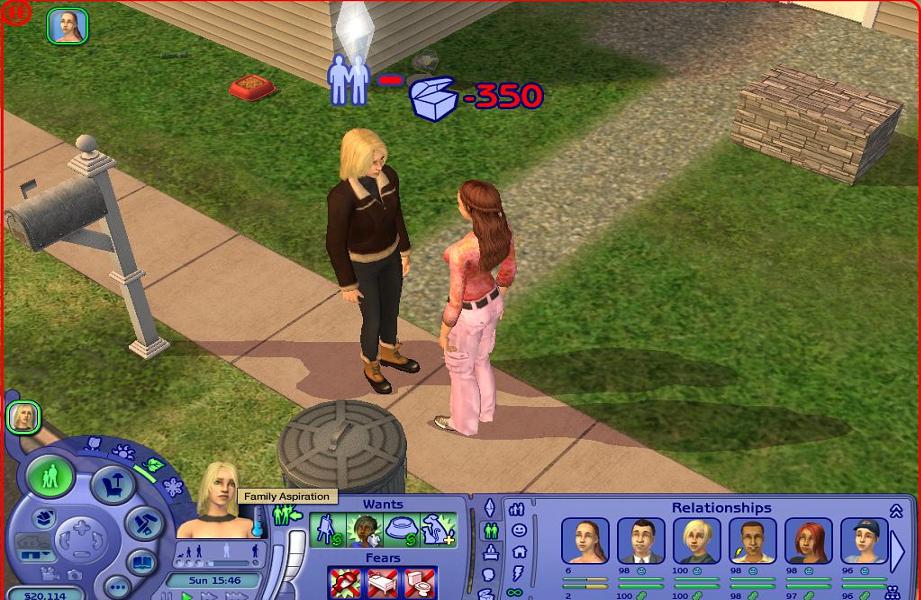
Like the relationship bar in The Sims 2, every customer interaction, whether a call, chat, or email, updates the customer's overall health score.
RESULTS
5×CSAT response rate8% → 40% · sustained over the first quarter post-rollout
100%Qualitative coverage of repliesvs <30% before · after retiring the 0–5 question, every submitted reply became free-text feedback scored by the prompt
−16%Churn reductionrelative reduction over the 3 months following rollout · associated with earlier CSM intervention enabled by richer signal
“His real strength is turning messy product problems into practical decisions. He connects user needs, business constraints, and technical reality, then simplifies the path until the team knows exactly what to build next.”